

Where is Chapter 11 Headed in 2026 and Beyond
Recorded On: 12/10/2025
-
You must log in to register
- Non-member - $195
- Member - $95
- CGA - $95
This on-demand webinar is available for 14 days after purchase.
Large chapter 11 filings have been surging. With distressed companies' Covid-era refinancings reaching maturity, that pace is likely to continue through 2026. The speakers will first discuss this trend, the affected industries, and the reasons for the spike (including, among other factors, the adverse impact of tariffs and the risk of a global trade war). The speakers will then discuss the increased frequency of out of court refinancings prior to chapter 11 filings, the impact of repeat Chapter 11 filings (Chapter 22), the increased frequency of chapter 11 plans for administratively insolvent debtors, the leading bankruptcy venues for large commercial Chapter 11 filings, the continued trend toward fast-paced Chapter 11 cases, the critical role that creditors’ committees play in maximizing recoveries for trade creditors and an update on preference defenses. . Time permitting, there will be a bonus discussion on the recent slowdown in subchapter V small business bankruptcy filings, the explanation for this slowdown, and recent Subchapter V case law that is a mixed bag for creditors.
Speakers
Bruce Nathan, Esq, Lowenstein Sandler LLP
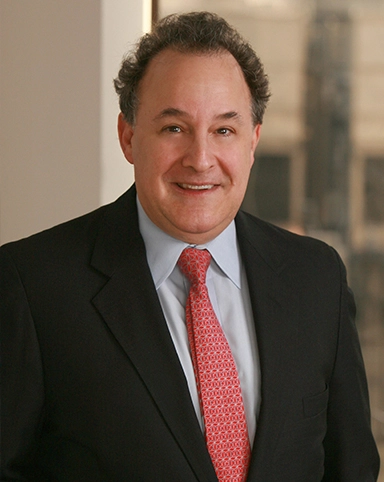
With more than 35 years of experience in the bankruptcy and insolvency field, Bruce Nathan is a recognized leader nationwide in trade creditor rights and representation of trade creditors in bankruptcy and other legal matters. He has represented trade and other unsecured creditors, unsecured creditors' committees, secured creditors, and other interested parties in many of the larger Chapter 11 cases that have been filed. Bruce also handles letters of credit, guarantees, security, consignment, bailment, tolling, and other agreements and legal credit issues for the credit departments of institutional clients.
Among his various legal recognitions, Bruce received the Top Hat Award in 2011, a prestigious annual award honoring extraordinary executives and professionals in the credit industry. He was co-chair of the Avoiding Powers Committee, which worked with the American Bankruptcy Institute's (ABI) Commission to Study the Reform of Chapter 11, participated in ABI's Great Debates at its 2010 Annual Spring Meeting—arguing against repeal of the special BAPCPA protections for goods providers and commercial lessors—and was a panelist for a session sponsored by ABI. He is a frequent presenter at industry conferences throughout the country, as well as a prolific author regarding bankruptcy and creditors' rights topics in various legal and trade publications. Bruce is a co-author of Trade Creditor Remedies Manual: Trade Creditors' Rights under the UCC and the U.S Bankruptcy Code, published by ABI at the end of 2011. He also has contributed to ABI Journal and is a former member of ABI's Board of Directors and former co-chair of ABI's Unsecured Trade Creditors Committee.
Andrew Behlmann, Esq, Lowenstein Sandler LLP
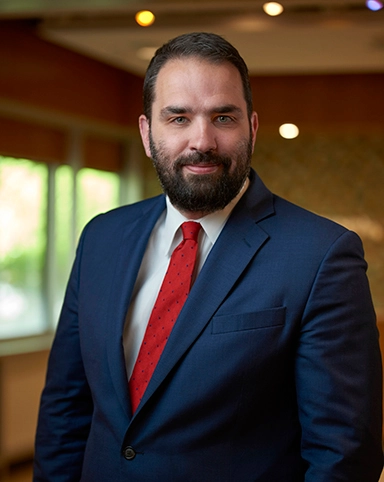
Andrew Behlmann leverages his background in corporate finance and management to approach restructuring problems, both in and out of court, from a practical, results-oriented perspective. With a focus on building consensus among multiple parties that have competing priorities, Andrew is equally at home both in and out of the courtroom. He has a track record of turning financial distress into positive business outcomes. Clients value his counsel in complex Chapter 11 cases, where he represents debtors, creditors' committees, purchasers and investors.
Andrew writes and speaks frequently about bankruptcy matters and financial issues. Before becoming a lawyer, he worked in senior financial management at a midsize, privately held company.
Michael Papandrea, Esq, Lowenstein Sandler LLP
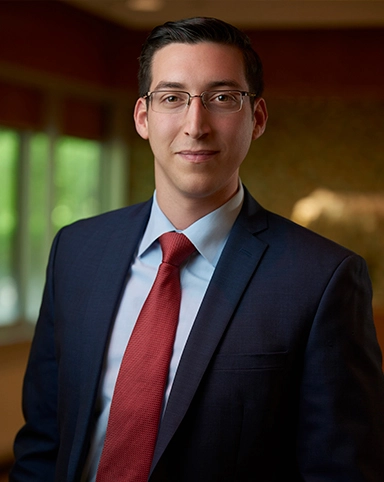
Michael Papandrea provides counsel to debtors, creditors’ committees, individual creditors, liquidating trustees and other interested parties with respect to corporate bankruptcy and creditors’ rights matters, including bankruptcy-related litigation.
Reliable and efficient, Michael is appreciated for his innate ability to effectively apply and communicate his understanding of the law and general business principles with respect to complex issues, both while providing advice to clients and while aggressively advocating on their behalf. Michael works tirelessly to understand clients’ needs and provide practical solutions that are reasonable, balanced, and favorable to the clients he serves.
Michael takes pride in his commitment to the community and provides pro bono representation to individuals and a nonprofit organization regarding bankruptcy and foreclosure-related matters.
Prior to joining the firm, Michael held multiple clerkships in the U.S. Bankruptcy Court; he clerked for the Hon. Jerrold N. Poslusny, Jr. (District of New Jersey), the Hon. Ashely M. Chan (Eastern District of Pennsylvania) and the Hon. Gloria M. Burns (Chief Judge, District of New Jersey). Michael applies the valuable insights learned from working closely and directly with these members of the judiciary to his everyday practice.
Key:
 Complete
 Next
Next Failed
 Available
 Locked